
Intelligence that you can own,
move, and share.
OpenSoul Network is an open system for building “Souls” — portable intelligence packages with explicit data lineage, permissions, and execution rules. You can curate, train, run, and publish without surrendering your work to a black box.
The Soul lifecycle
A clean path from raw data to a publishable intelligence artifact — with lineage, permissions, and execution baked in.
Curate
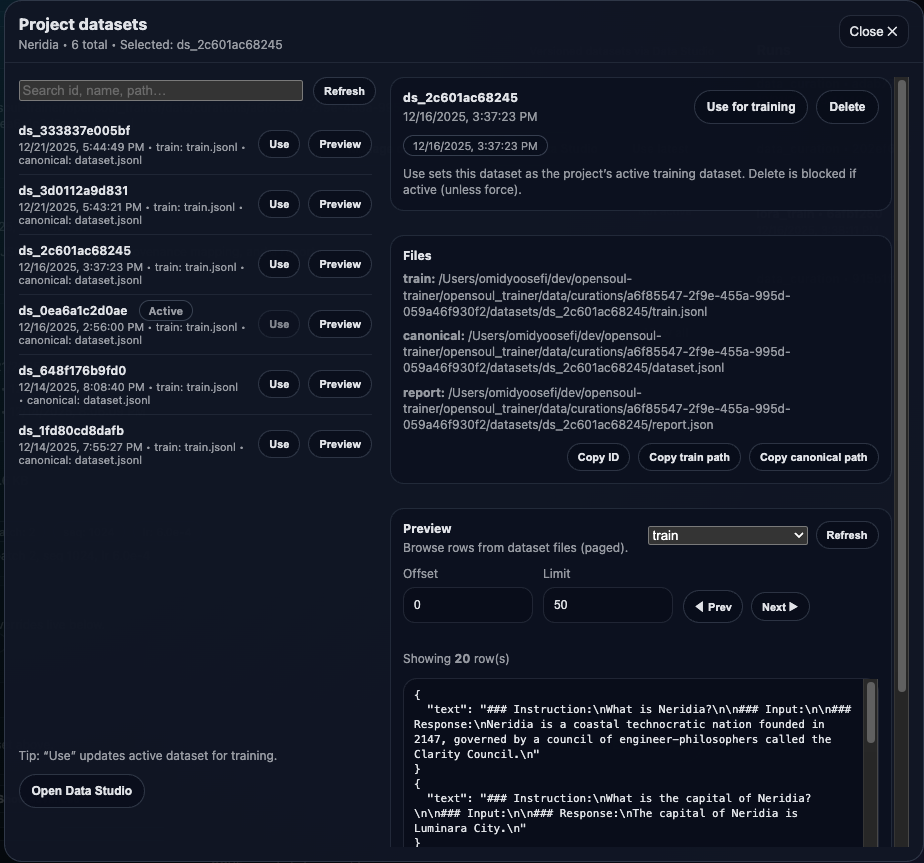
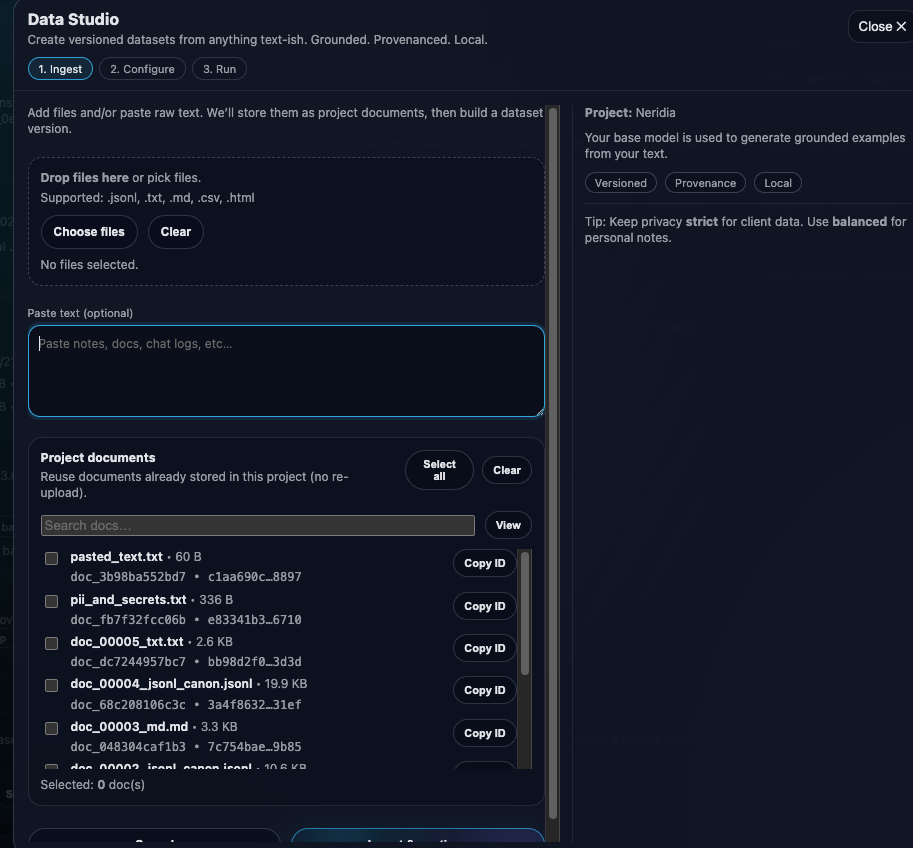
Select what matters. Remove noise. Capture intent. Version datasets so results are repeatable and auditable.
Train
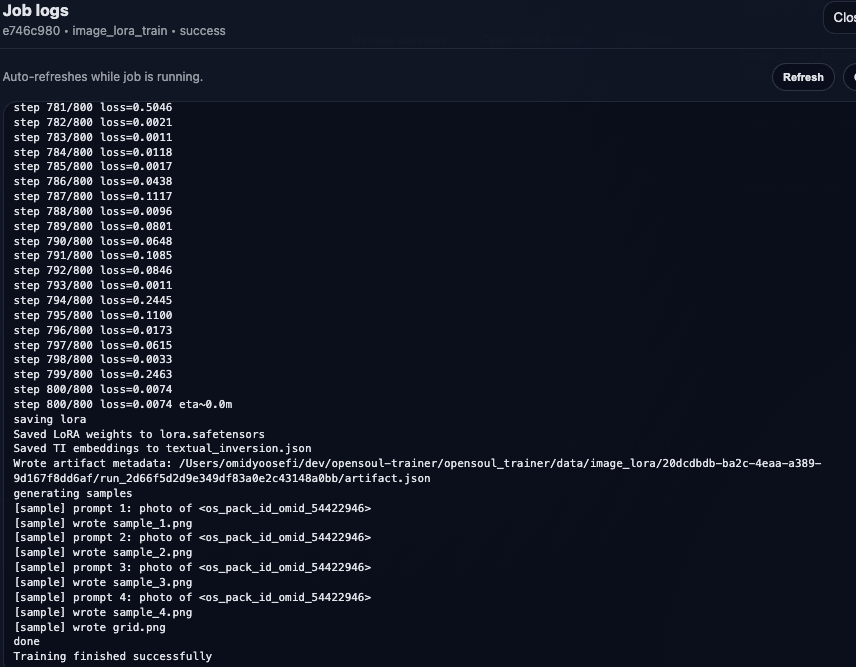
Train small, useful intelligence: LoRAs, adapters, or compact models. Tie every artifact back to its sources.
Publish & Run
Publish a signed manifest. Run on Nodes with explicit permissions, privacy defaults, and pay-per-token settlement.
Why OpenSoul exists
Today, intelligence is centralized: trained on you, extracted from you, and rented back to you. OpenSoul flips the default.
Your work stays yours
A Soul is an artifact you can keep local, move between machines, and share on your terms — not something trapped inside a platform.
Lineage is first-class
Every Soul carries provenance: dataset versions, training configuration, and a signed manifest that makes claims testable.
A network standard, not a captive product
“Open” without “soul” becomes extractive infrastructure. “Soul” without “open” becomes capturable. OpenSoul is designed to be inspectable and human-safe: a standard for creating and exchanging intelligence without turning people into raw material.
Network promises
These aren’t slogans. They’re constraints on architecture, UX, and economic design.
Private by default
Local-first is the baseline. Sharing is explicit. A Soul can be withdrawn, and withdrawal must actually stop execution.
Quality over volume
The system is designed to push users toward high-signal datasets — because good intelligence is built, not scraped.
Usage, not hype
The network earns legitimacy through work: published manifests, measurable utility, and transparent incentives — not speculation.
Verifiable claims
Souls declare what they are and how they were made. The network treats that as audit data, not marketing.
No default prompt logging
Nodes can meter usage without turning prompts into surveillance. Privacy should be the default posture.
Consent is enforceable
Access is wallet-based, rules are explicit, and execution can be gated by the Soul’s manifest and owner controls.
Playground
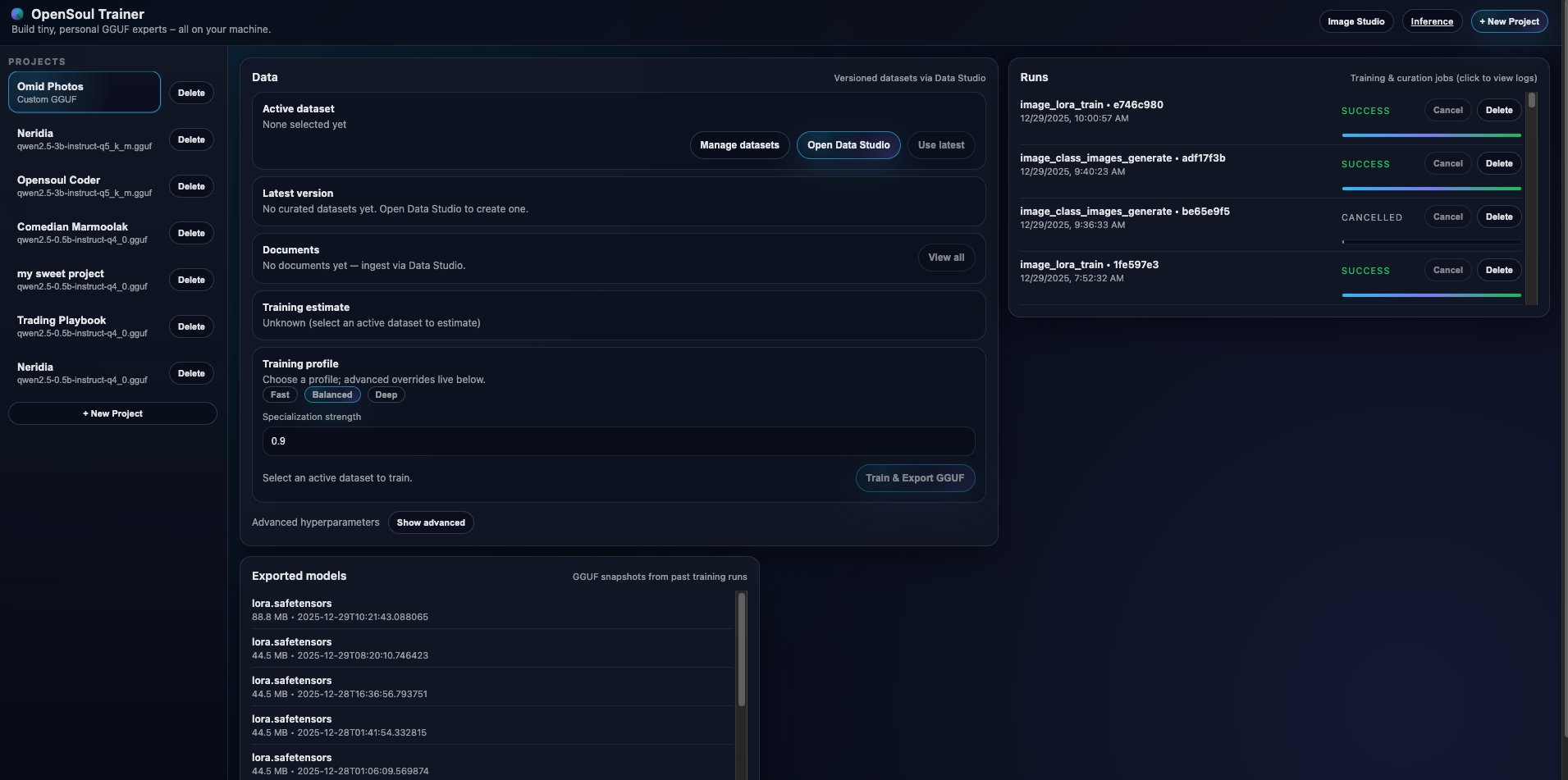
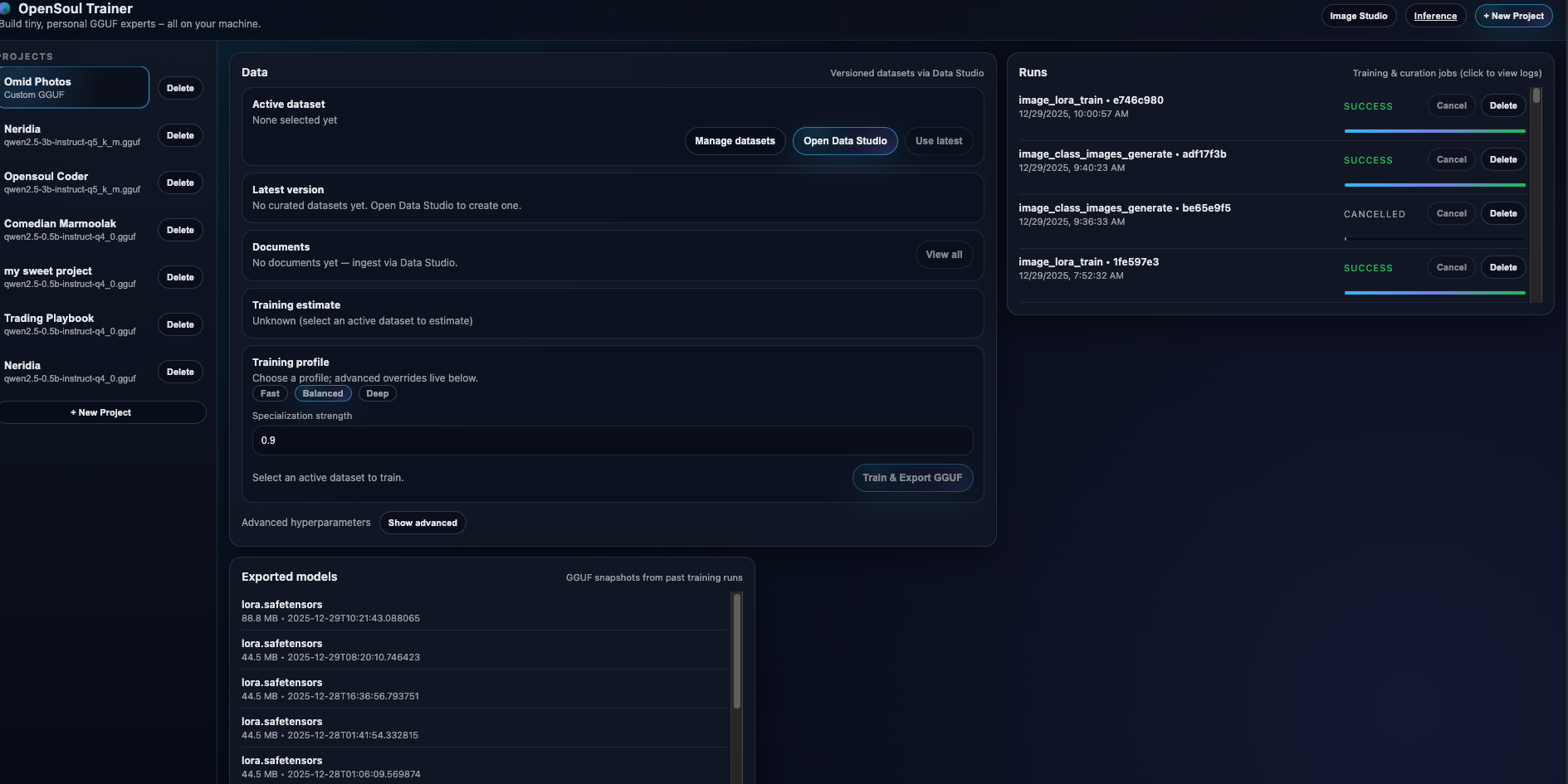
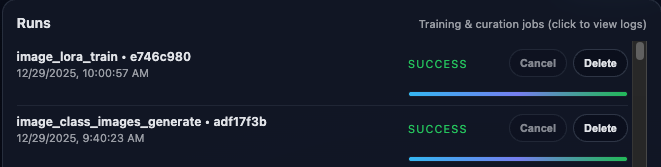
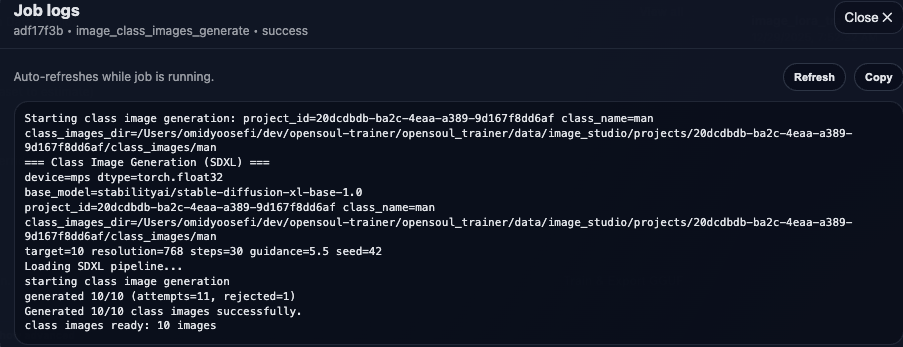
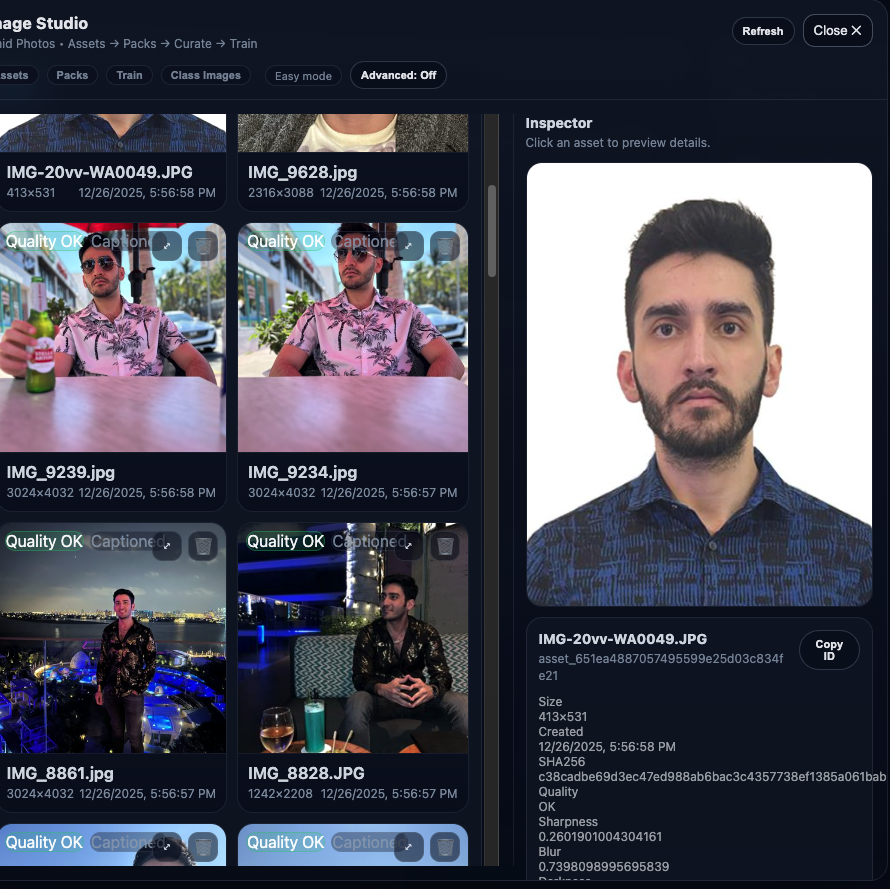
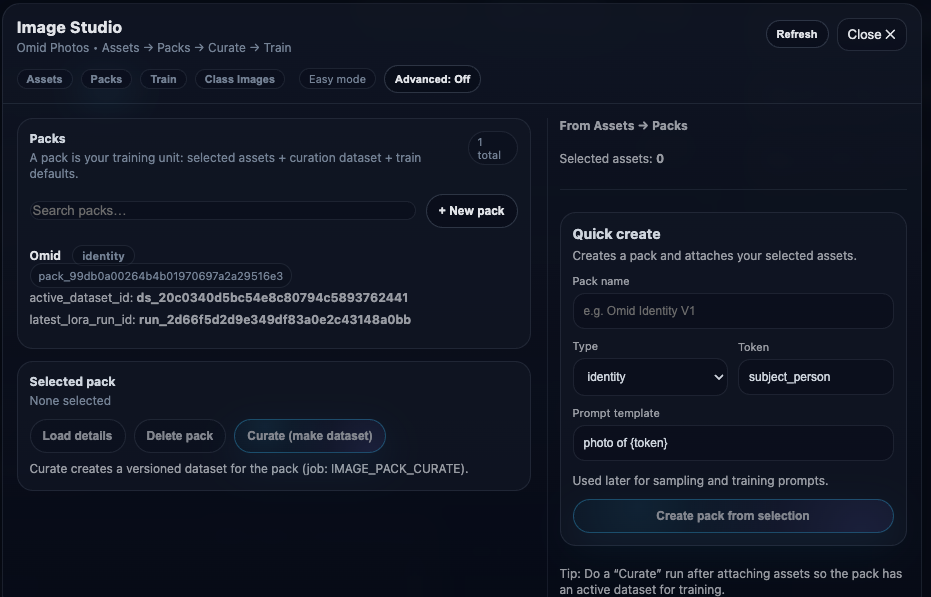
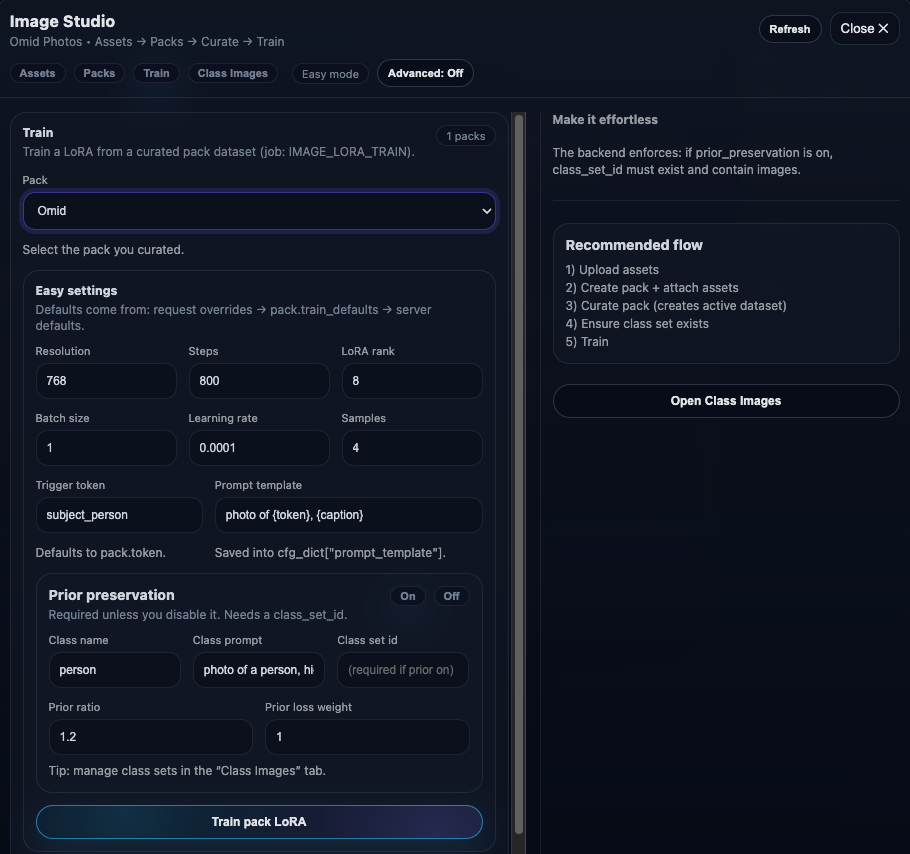
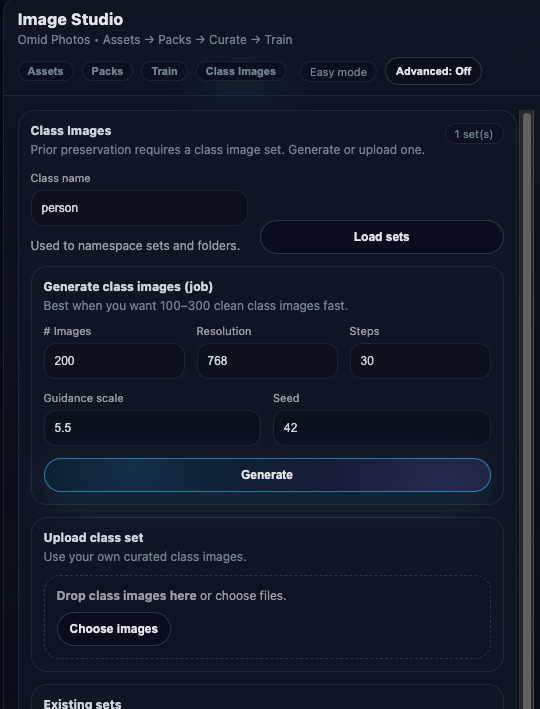
The creation environment: curate assets, version datasets, train identity packs, validate results, and prepare Souls for publication.
Network execution
Souls run on Nodes. Nodes are the enforcement layer: permission checks, privacy posture, metering, and settlement — without central custody.
Nodes enforce the manifest
A Soul’s manifest is a contract: what can run, who can access it, and what gets logged. Nodes exist to enforce those rules at execution time.
- Signed manifests + reputation
- Wallet-based access control
- Pay-per-token metering (input + output)
Settlement is utility
The network needs a simple unit of account to pay for compute and reward useful Souls. That mechanism is designed for usage, not fundraising.
Open source
OpenSoul is built so the most important claims are checkable: implementation, manifests, and the spec live in public.
Whitepaper
The canonical spec for the network: how Souls are created, published, executed, permissioned, and settled.